Hortus botanicus Leiden
A green treasure hidden in the historical centre of Leiden. Founded in 1590, this is the oldest botanical garden in the Netherlands and one of the oldest in the world.
-
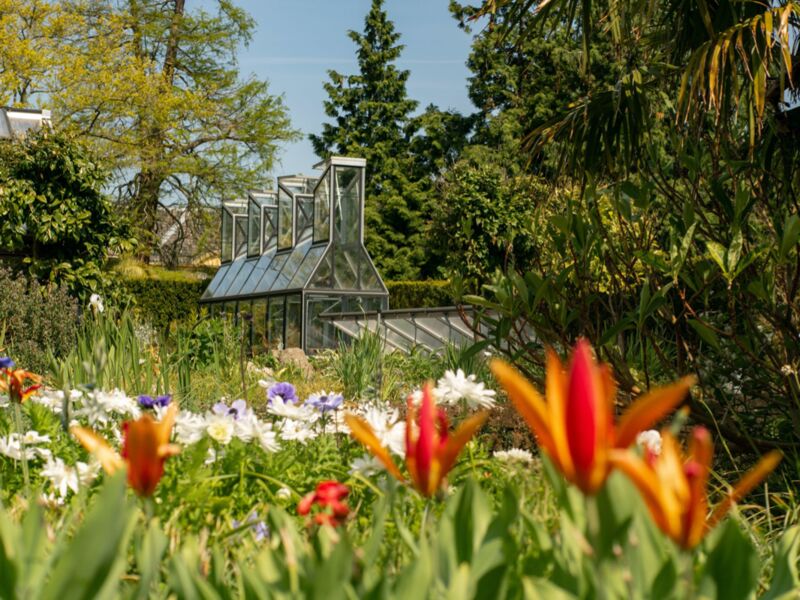
The Hortus botanicus Leiden is the oldest botanical garden in the Netherlands and located in the historical centre of Leiden. Behind the academy building of the Leiden University you will discover a green oasis with a large collection of plants native to South-east and East Asia, Southern Europe and South Africa. The Hortus is a haven within the city centre, a historical monument and a meeting place full of character. People come here to relax, enjoy the seasons or to learn more about the diversity of the plant kingdom.
- History
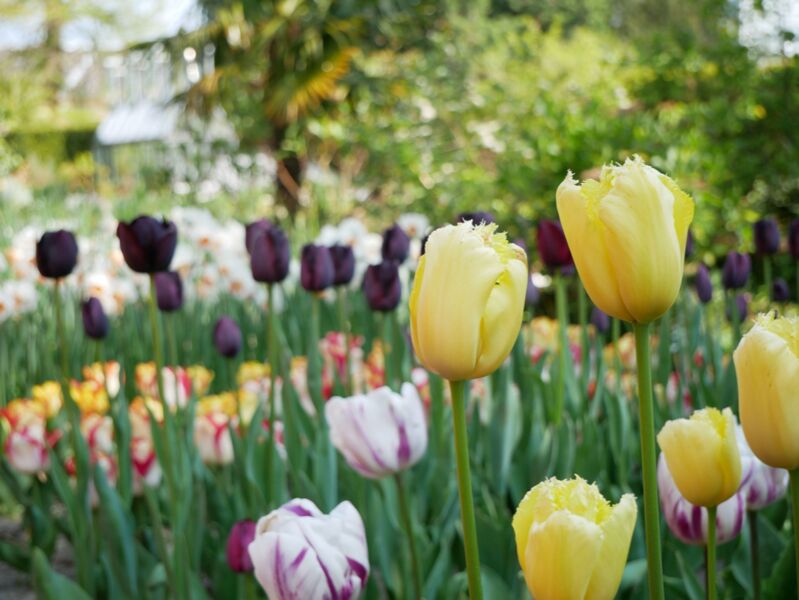
In 1590 the Hortus was founded by the University of Leiden. In 1594 Carolus Clusius (1526-1609) turned it into a medicinal herb garden. But Clusius introduced the tulip and many other plants like tobacco and potato to the Hortus. These flowers and plants became known throughout Western Europe.
- A living museum
There are more than ten thousand botanical species and dozens of bird species growing and living in the Hortus. For more than four centuries and to this day plants from all corners of the world are collected and cultivated in the garden and greenhouses for research, education and exhibition purposes.
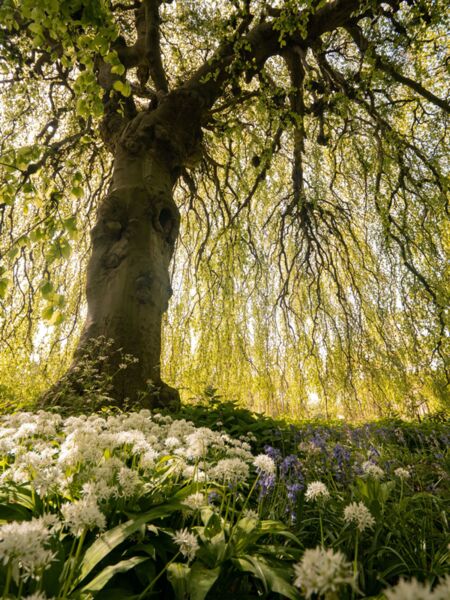
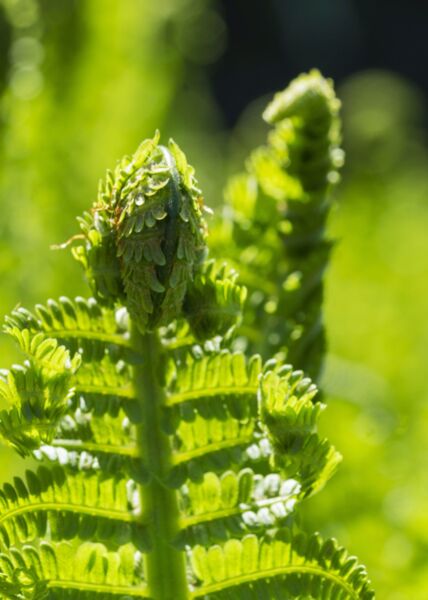
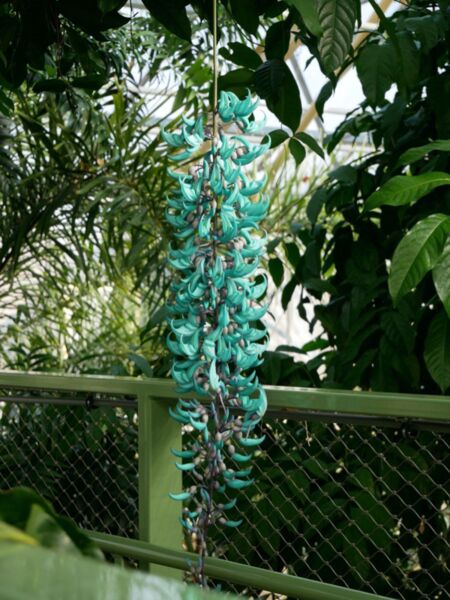
The current Front Garden is the oldest part of the Hortus. It was founded in 1590 and houses the Clusius garden which is a reconstruction of the garden of 1594. Here you will also find the Winter Garden which has a large collection of Cycades and carnivorous plants. The Hortus also has a monumental Orangery from 1744 and extensive tropical greenhouses, many old trees, a beautiful Fern Garden, Rosarium, Japanese Garden, Herb Garden, Nut Field and System Garden. Many famous international scientists such as Clusius, Boerhaave, Linnaeus and Einstein were connected to the Hortus botanicus in Leiden. In the 19th century the German physician Philipp Franz von Siebold (1796-1866) brought hundreds of plant species with him from Japan to the Netherlands and 15 of these original introductions can still be found in the Hortus today.
- Research and education
The Hortus botanicus Leiden has always been a garden where students come to study plants. Scientists of the Hortus are cooperating with NCB Naturalis (Netherlands Centre for Biodiversity Naturalis) to write research on plant species. The Hortus also plays an important role in the cultivation and preservation of endangered species. Dutch and foreign botanical gardens are cooperating and exchanging material in order to preserve these threatened species.